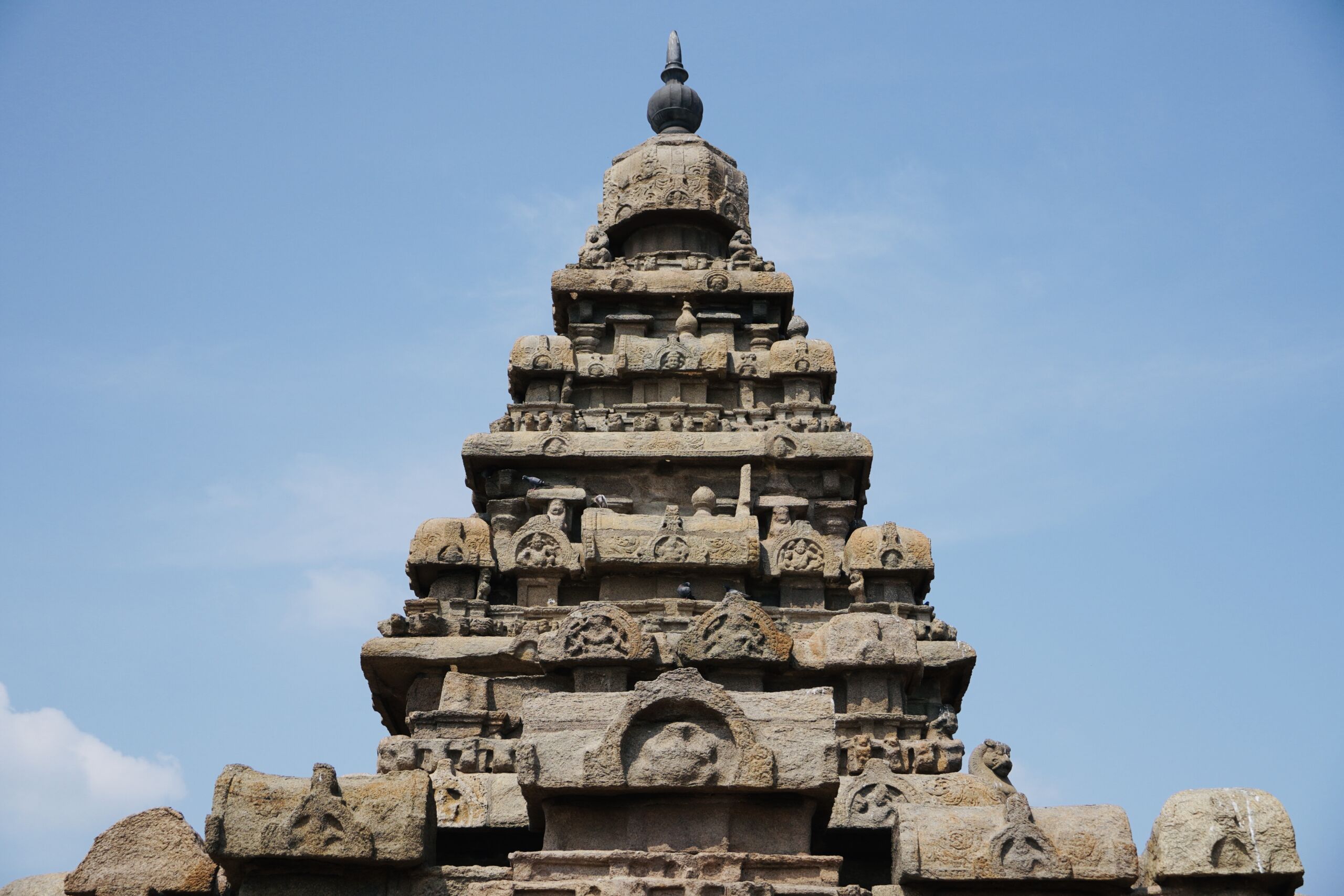
WHY LEARN TAMIL?
A Language Spoken Around the World
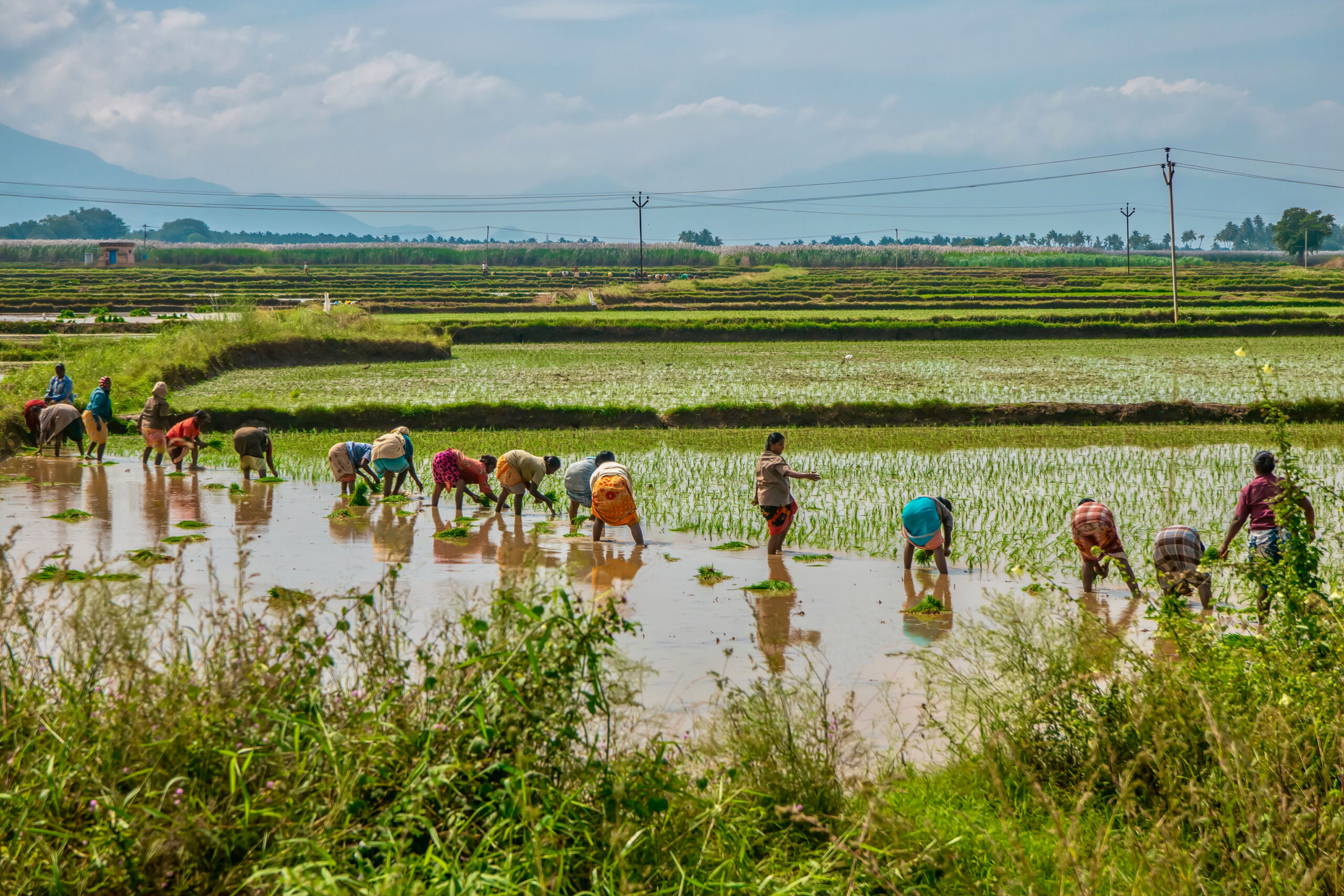
Tamil is spoken by more than 80 million people across the globe, making it one of the most widely spoken languages on earth. It is a living, thriving language across India, Sri Lanka, Malaysia, Singapore, Mauritius, Fiji, South Africa, and among large diaspora communities in the United Kingdom, Canada, and the United States. Wherever Tamil families have settled, the language has traveled with them carried through homes, temples, community schools, and celebrations.
One of the World’s Oldest Living Languages
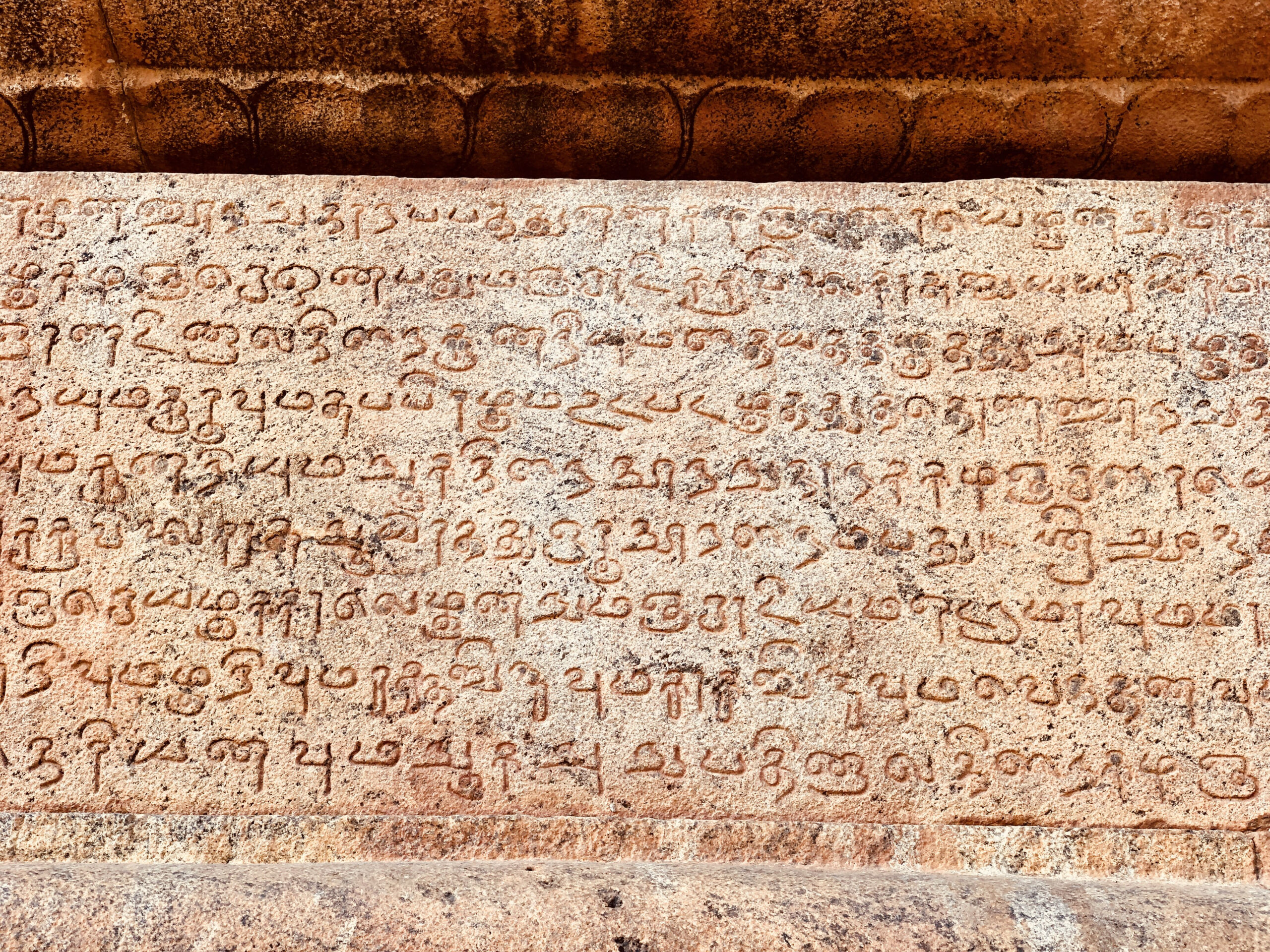
Tamil is widely regarded as one of the longest continuously spoken languages in the world, with a literary tradition, the Sangam literature, that stretches back more than 2000 years. In recognition of this depth and antiquity, the Government of India designated Tamil as India’s first Classical Language. This is more than a historical footnote: it means that learning Tamil connects a child directly to one of humanity’s oldest unbroken literary and cultural traditions, rich with poetry, philosophy, ethics, and storytelling that still shape Tamil identity today.
A Bridge to Family, Culture, and Identity
For children growing up outside India, and Sri Lanka learning Tamil is often the difference between simply hearing a language at home and truly belonging to a culture. It lets kids understand the meaning behind festivals and rituals, follow along with Tamil films, music, and literature, and carry forward family traditions with confidence rather than translation. Language is one of the most direct ways a child inherits, and later passes on, a sense of who they are.